
OUR STORY: HOW WESTERN HERITAGE CAME TO BE
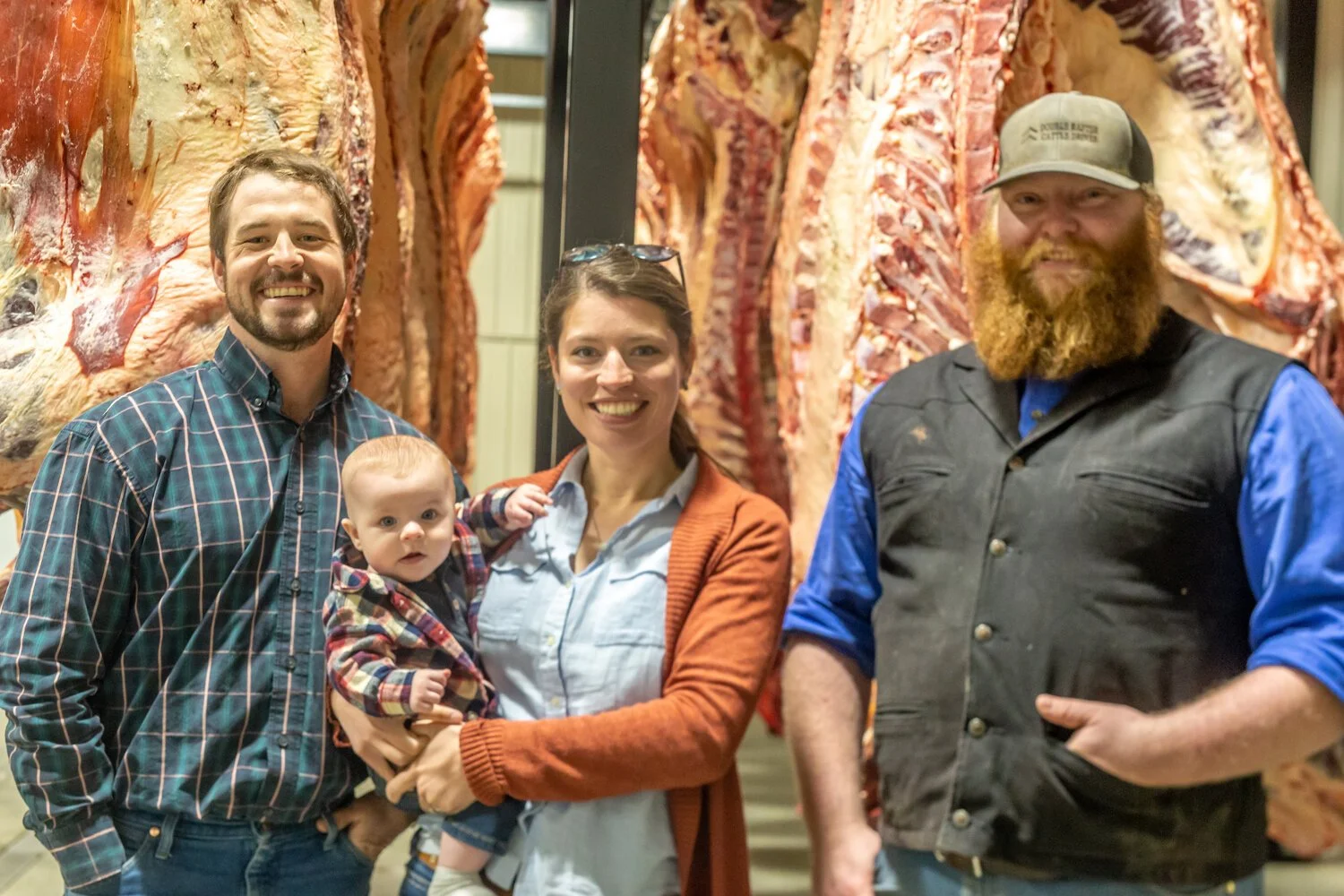
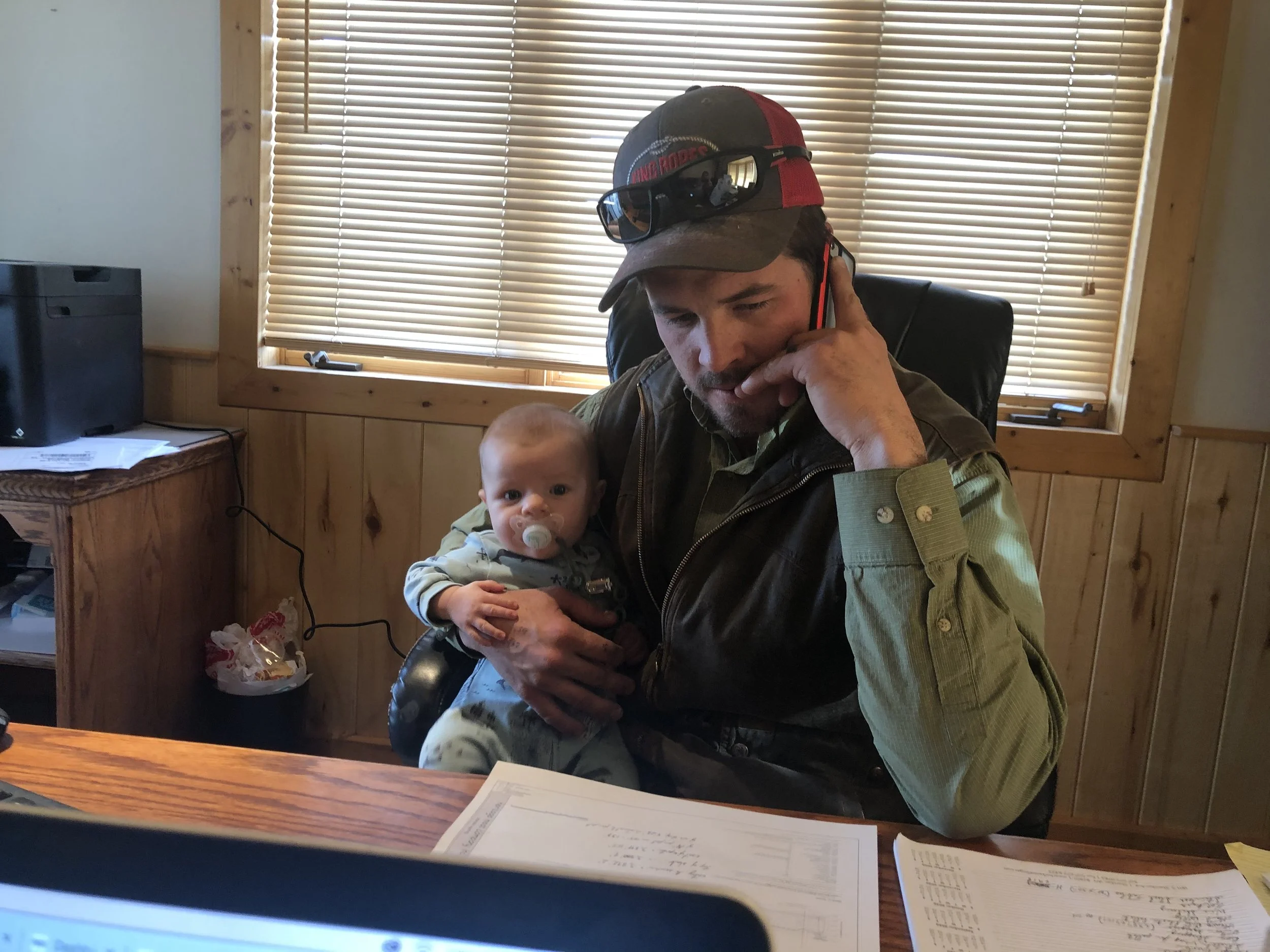
From left to right: Founders Taylor & Cathryn Kerns with their son Jack and WHMC’s plant manager Brian McGuire.
Western Heritage Meat Company (WHMC) became an officially USDA-inspected processing plant in December of 2020—but the story began months earlier, in the middle of one of the most uncertain periods modern agriculture has faced.
In June of 2020, Taylor and Cathryn—along with roughly 30 other farm-to-table producers—suddenly lost access to their meat processor. At the same time, COVID was disrupting supply chains nationwide, grocery store shelves were empty, and demand for locally raised meat surged.
Producers were ready. Families were eager. The missing piece was clear.
There were not enough USDA-inspected meat processors in the region to support the growing demand for farm-to-table meat.
Like many ranchers selling direct-to-consumer, Taylor and Cathryn had already pre-sold their cattle for the year. Overnight, they found themselves with nowhere to process—and they weren’t alone. Across the region, producers faced the same crisis: livestock ready to harvest, customers waiting, and no inspected processing available.
Rather than accept that reality, they chose to build a solution.
A Business Plan Built on Urgency—and Purpose
Taylor and Cathryn began by writing a business plan and bringing producers together. They built a team, gathered input from the ranching community, and took the first steps toward creating a facility that could serve the region long-term.
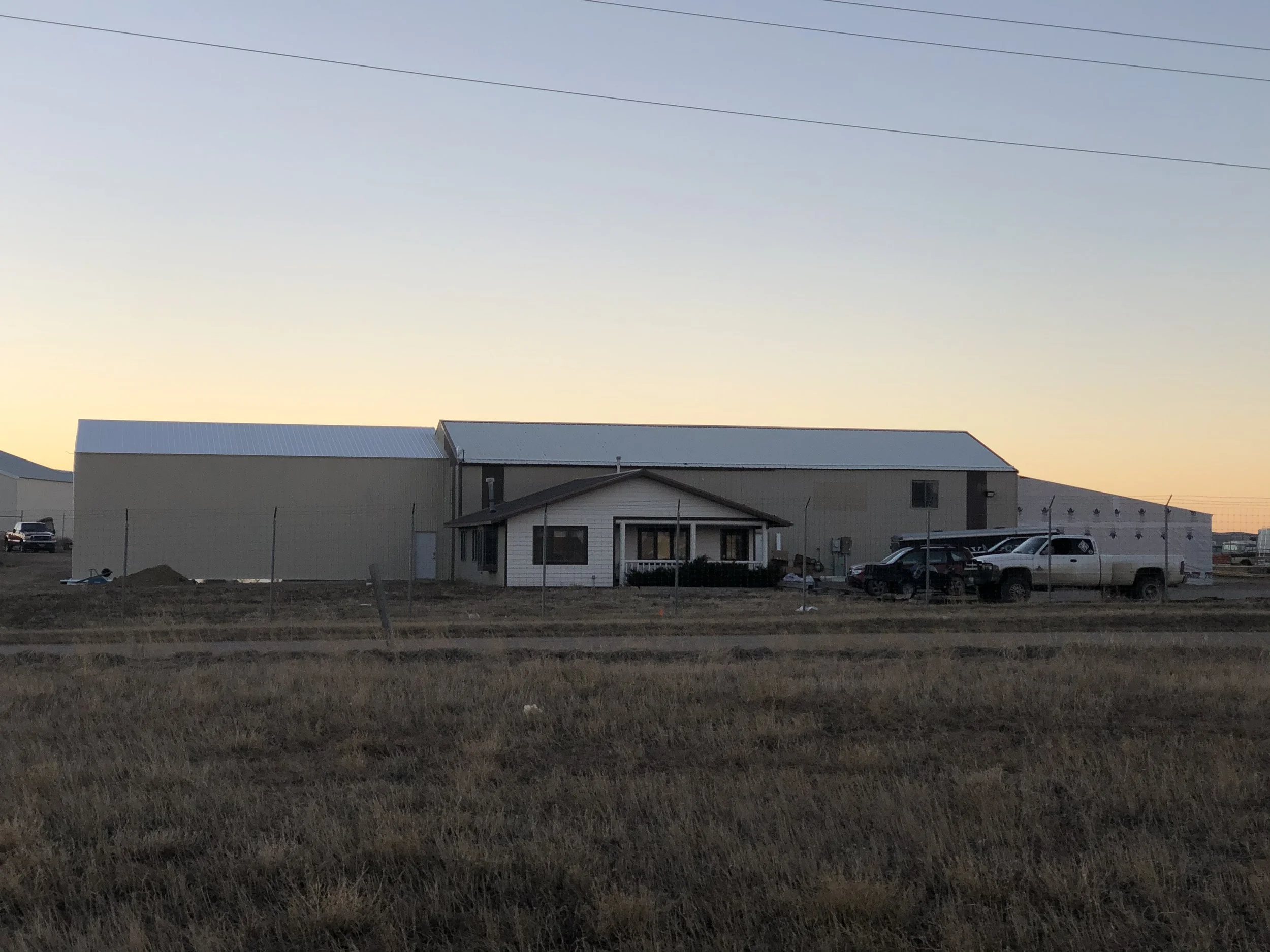
By August, they had identified a property that checked the necessary boxes for location, layout, and future expansion.
By September, their first child was born.
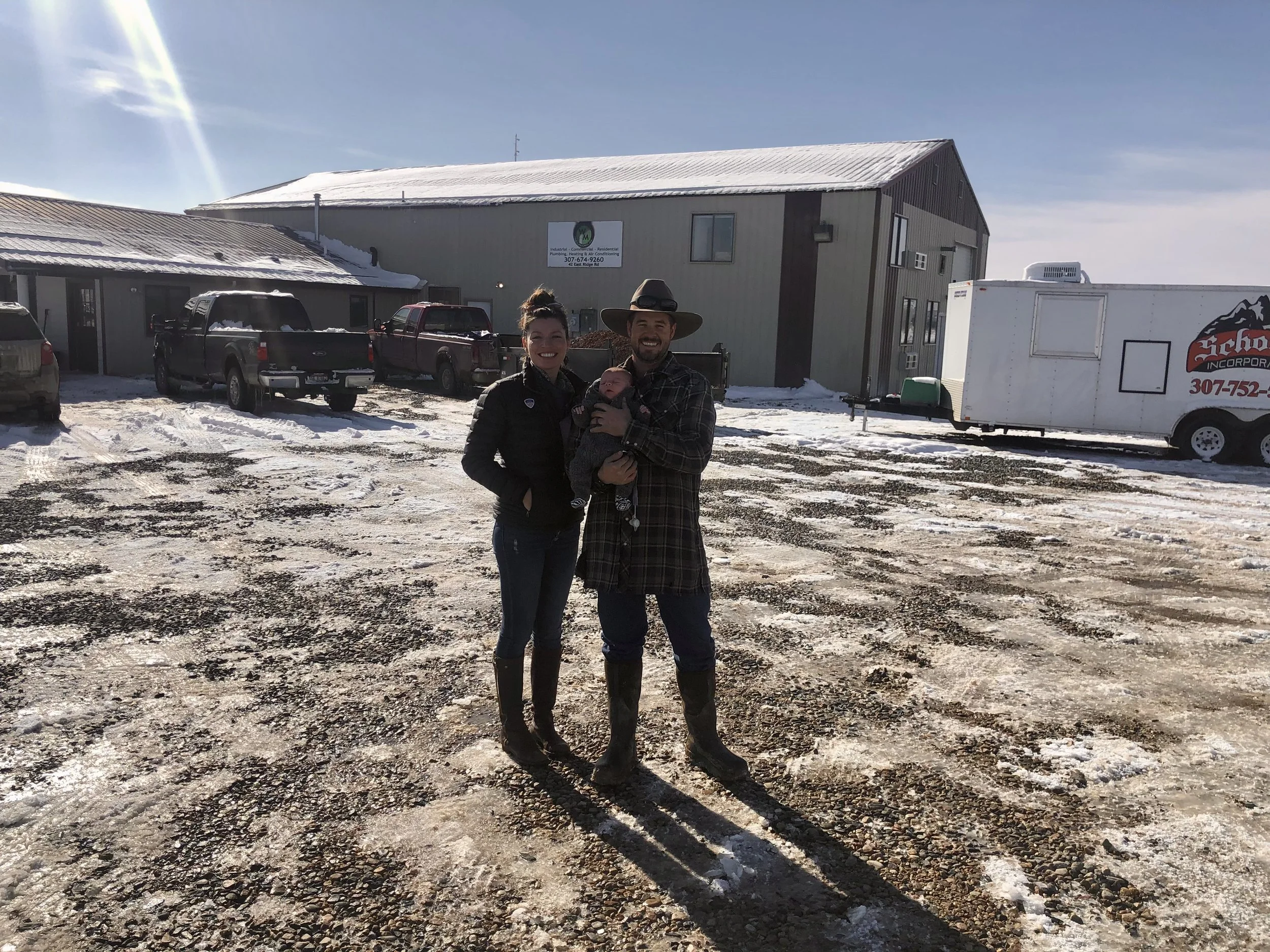
They closed on the property at the end of October.
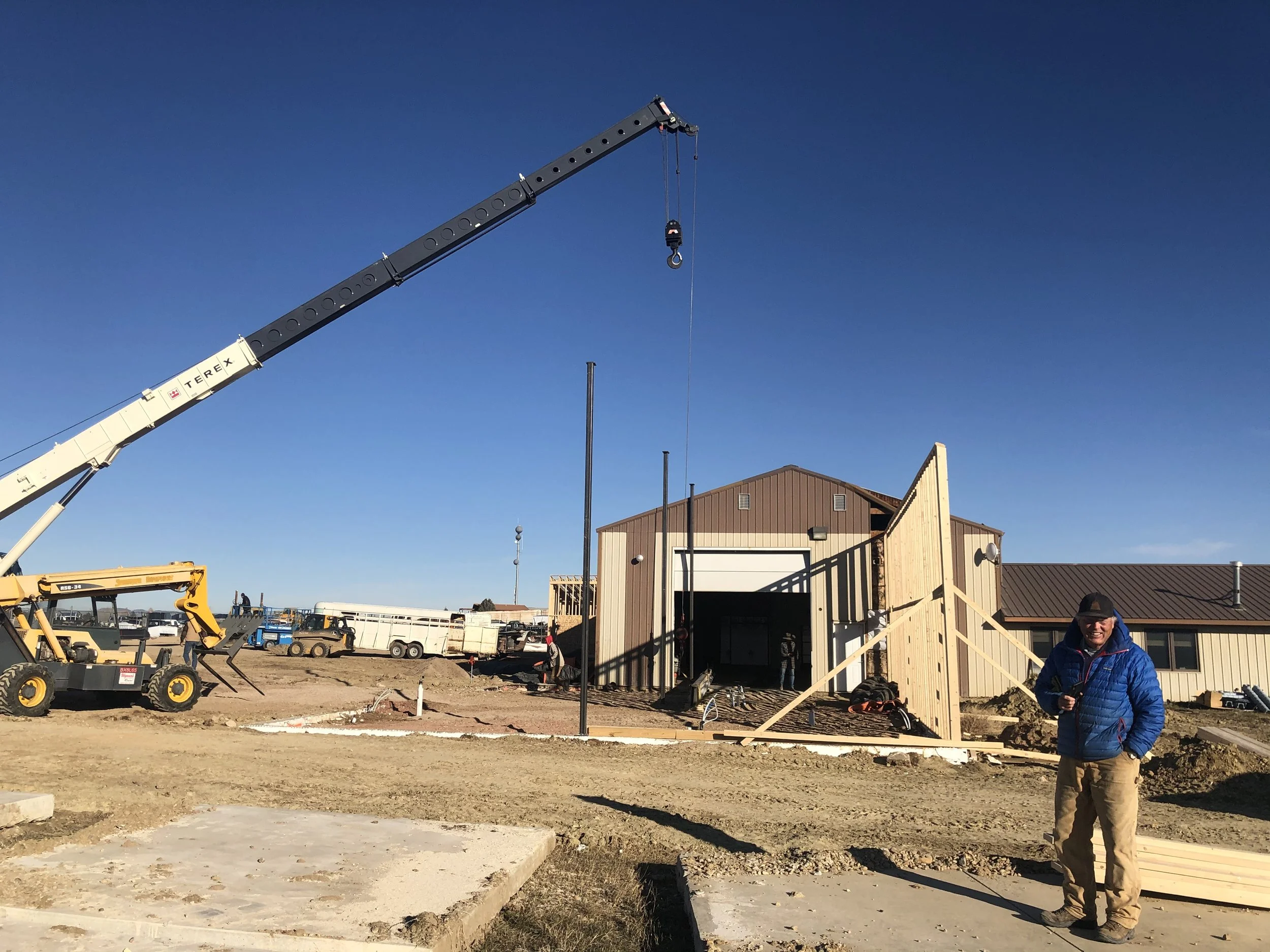
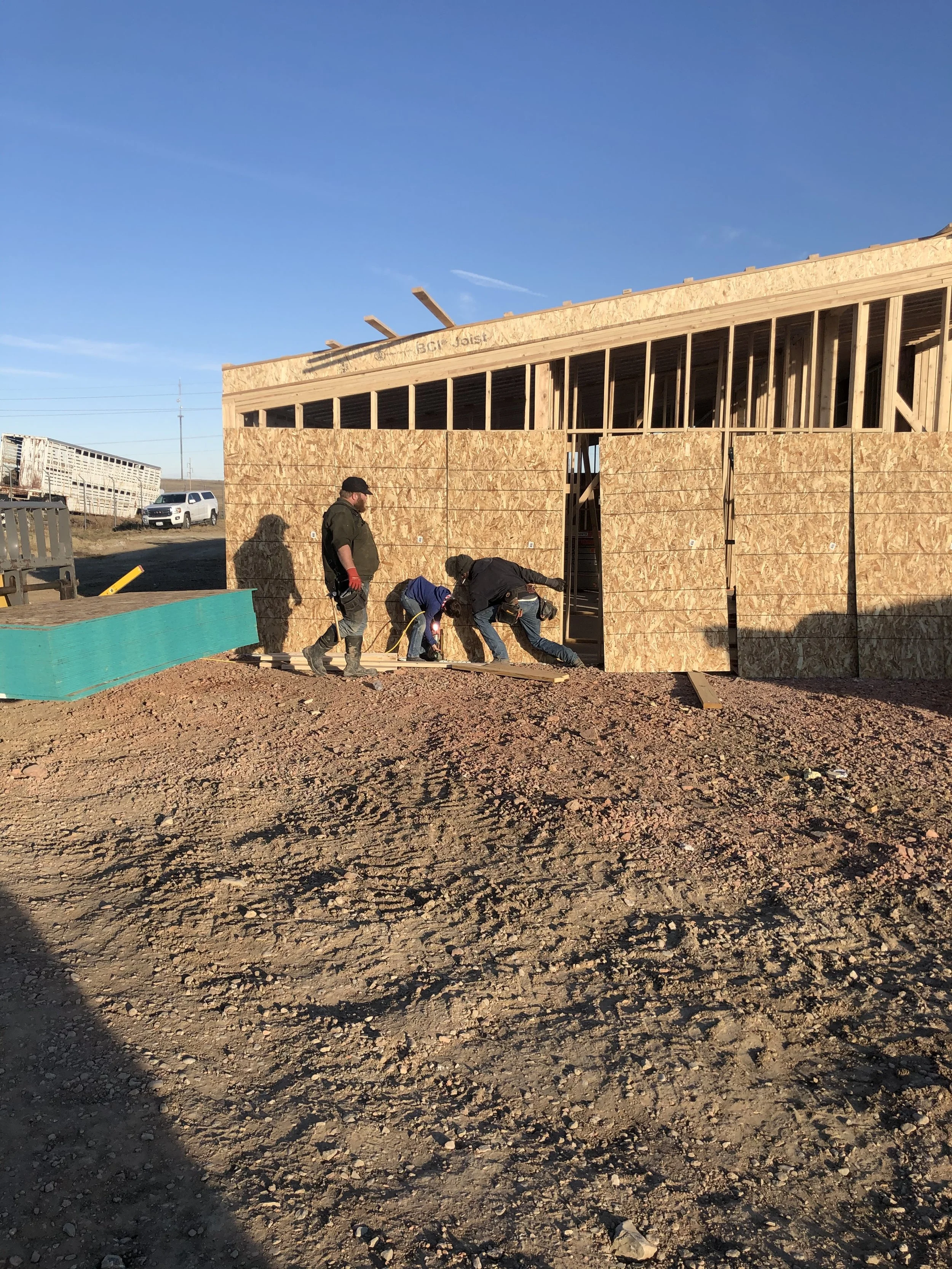
By November, the building had been expanded by 4,000 square feet.
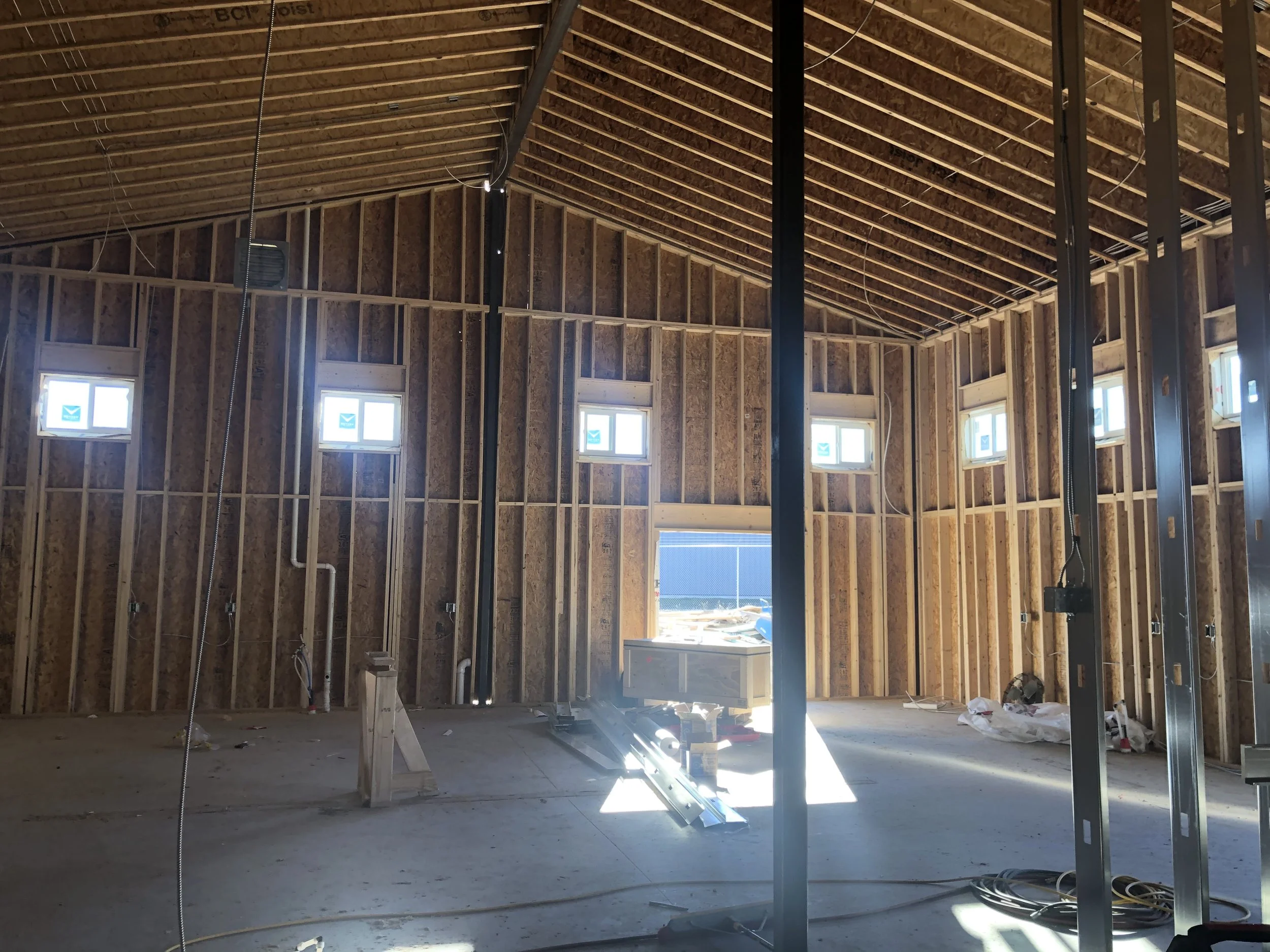
What followed was a season of relentless work, driven by the belief that local ranchers deserved access to processing that would allow them to survive—and grow.
A Community Effort, Supported by Industry Experts and Investors
WHMC was never built by one person or even one family.
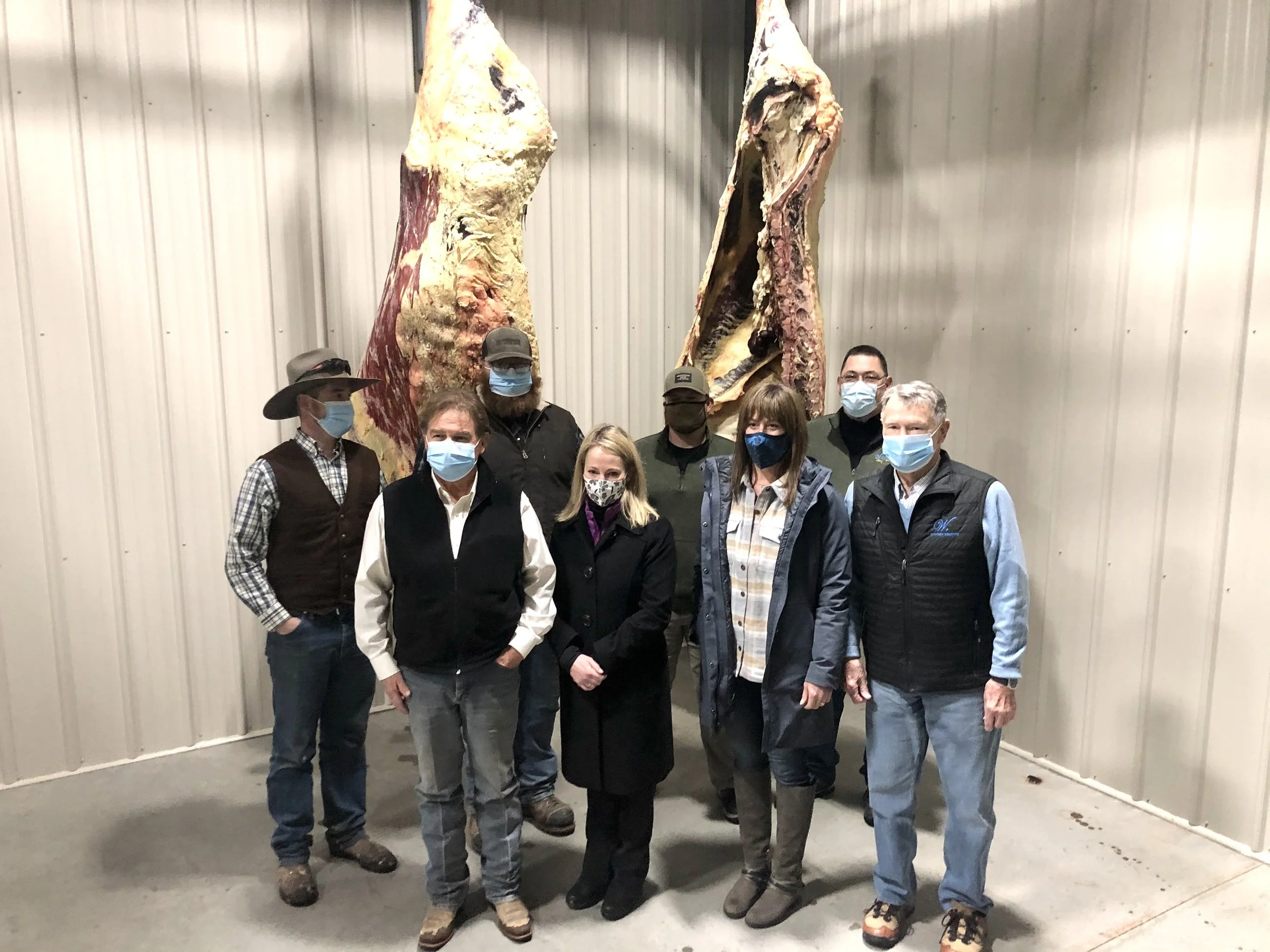
It became a reality through the combined efforts of ranchers, community members, skilled tradespeople, consultants, and investors who believed in the long-term value of strengthening local food systems.
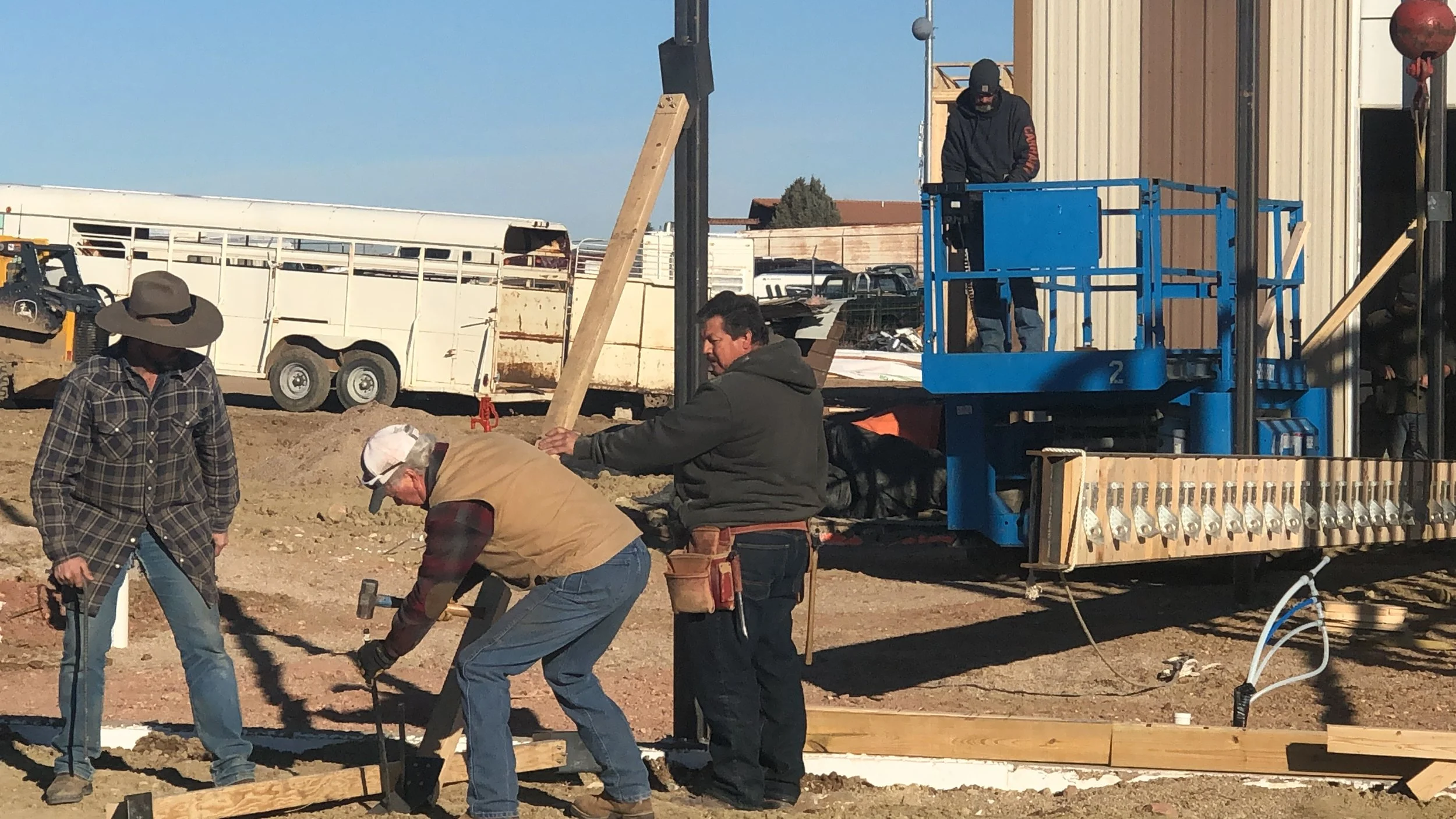
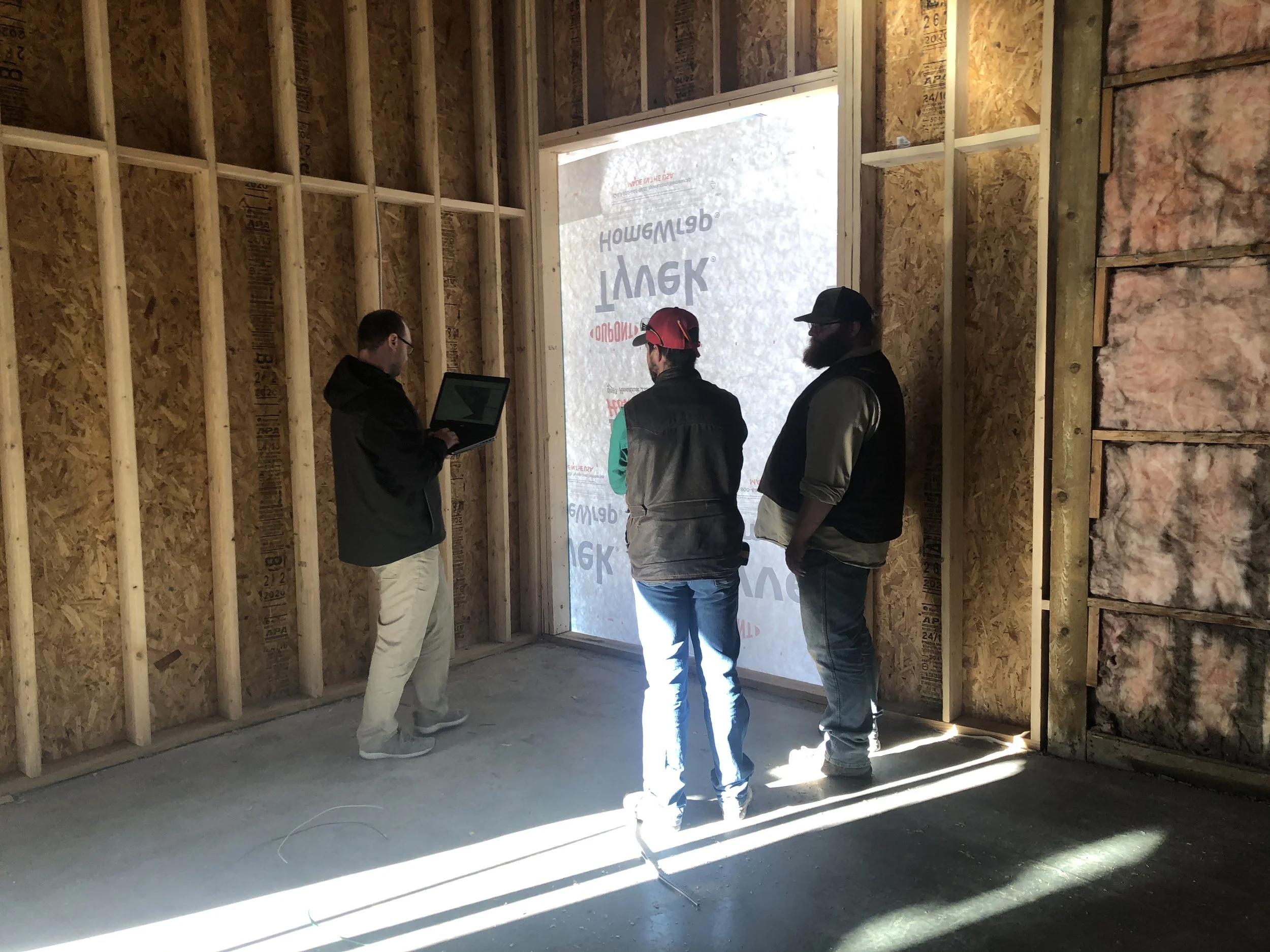
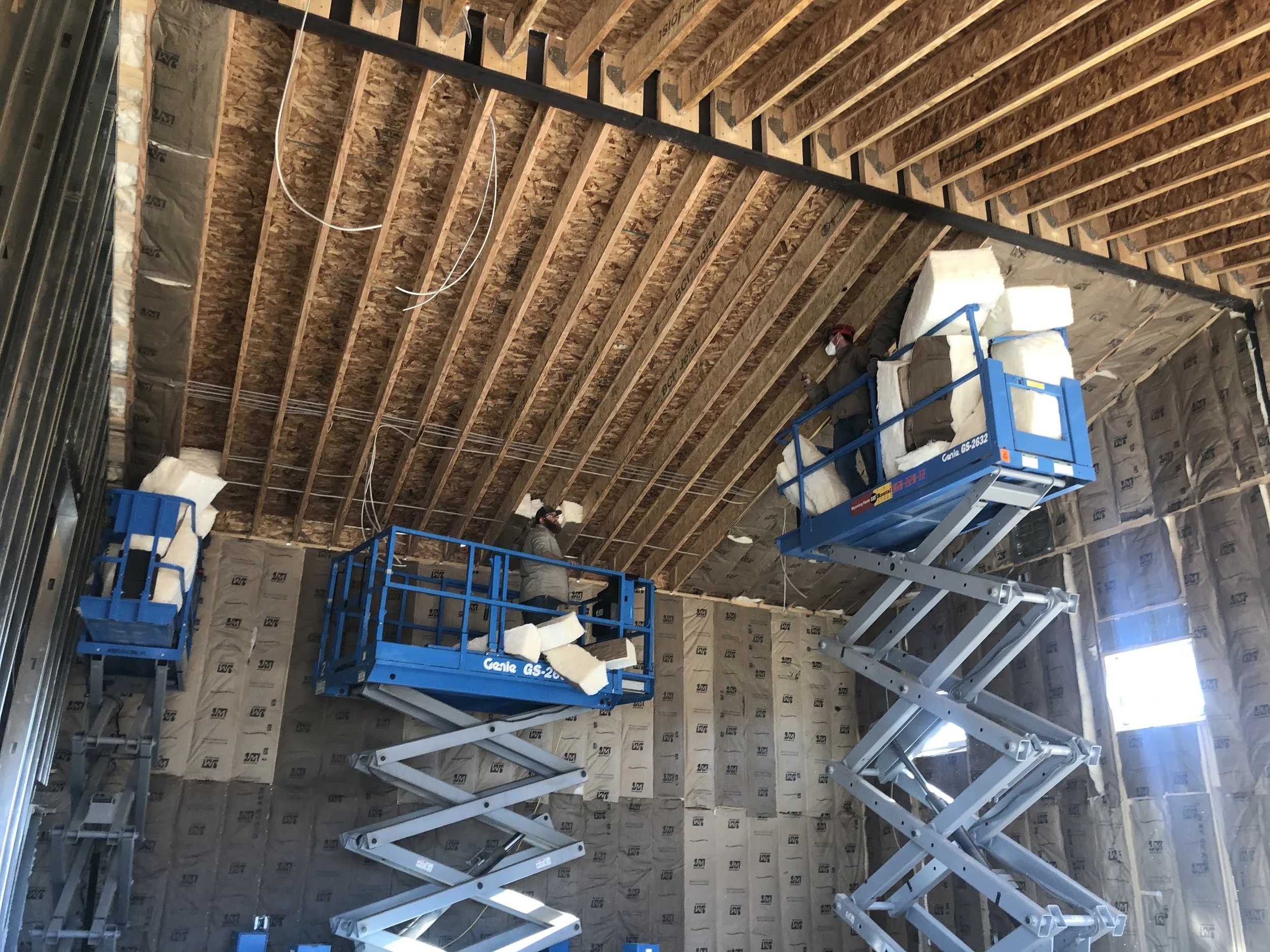
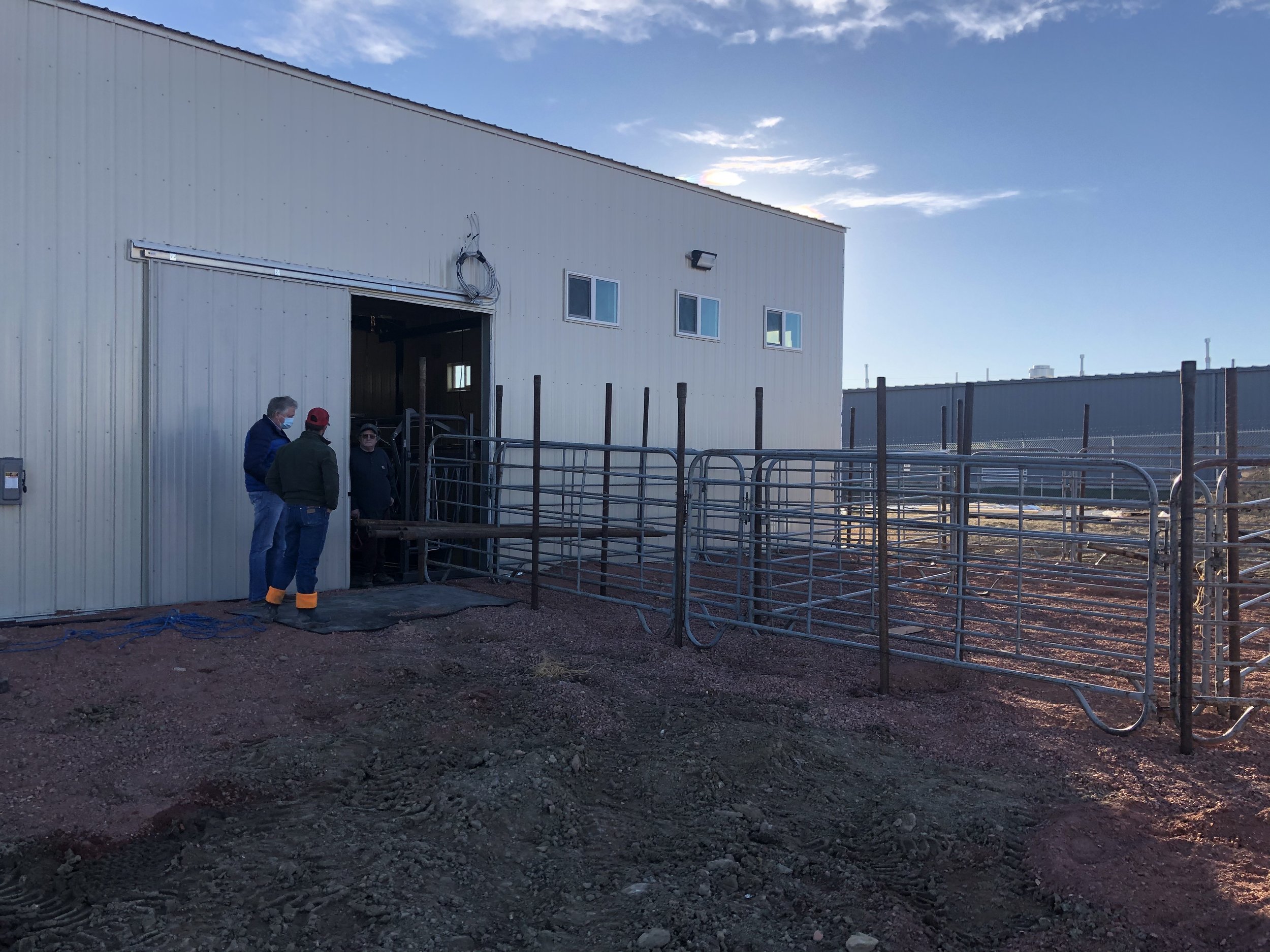
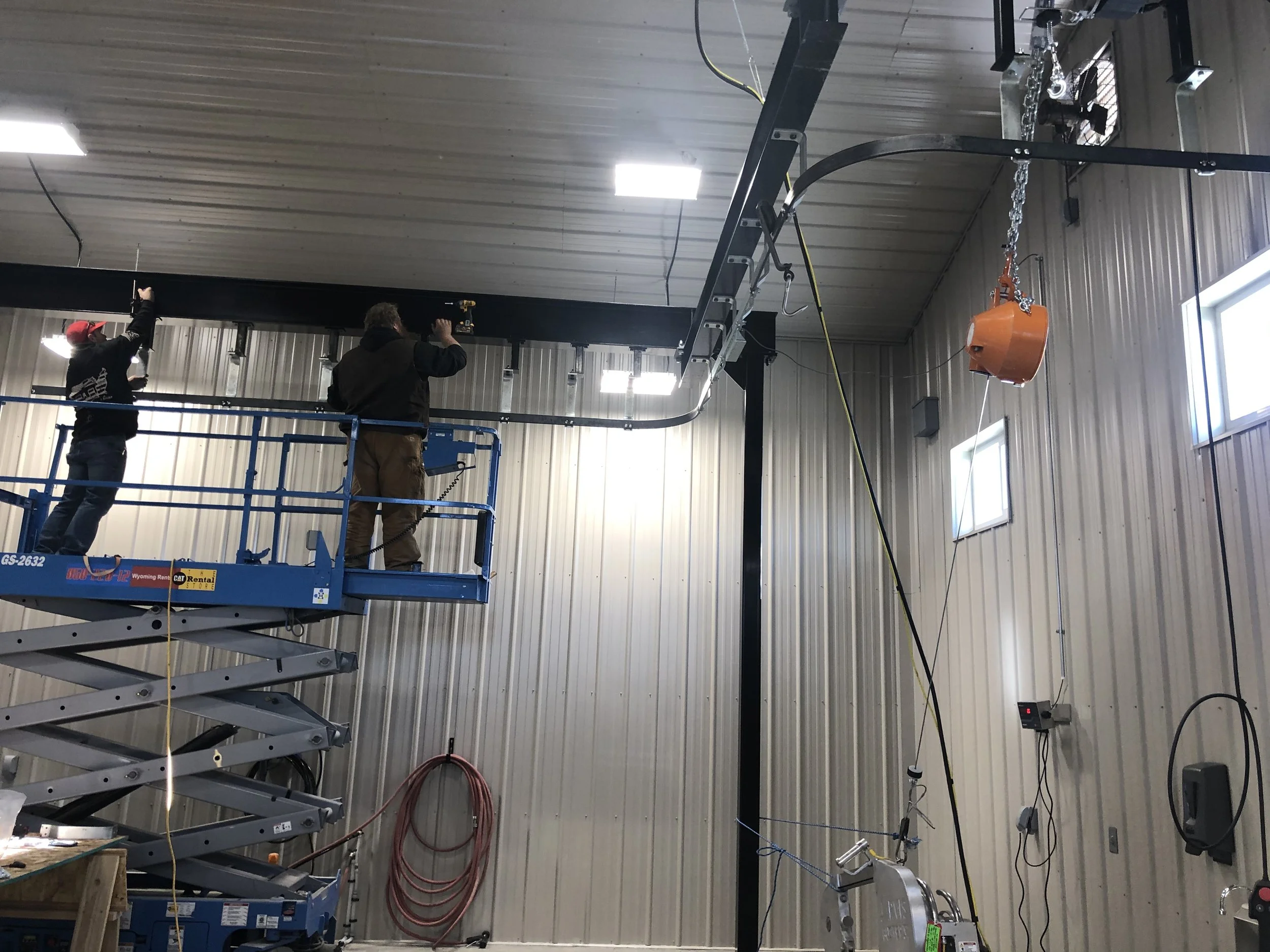
USDA consultants and a meat processing consultant helped guide the facility through the complex requirements needed to operate under federal inspection. Friends and family members contributed skills in engineering, construction, ironworks, welding, and more—many working long days and late nights to keep the project moving forward.
At the same time, WHMC was supported by investors who recognized the importance of inspected processing in rural America. Their backing helped bridge the gap between vision and execution, providing critical support during a tight timeline and high-stakes build.
Grant funding also played a role, covering a small portion of the project. But it came with one significant stipulation: WHMC had to be operational under USDA inspection by December 31st.
The Final Push to USDA Inspection
The final weeks leading up to Christmas were intense.
Taylor, WHMC’s manager Brian, along with Brian Miller, and Steve and Isaac Nicholson worked from early morning until the middle of the night—often from 7am to 2am—sleeping on bedrolls in the office only to wake up and do it again.
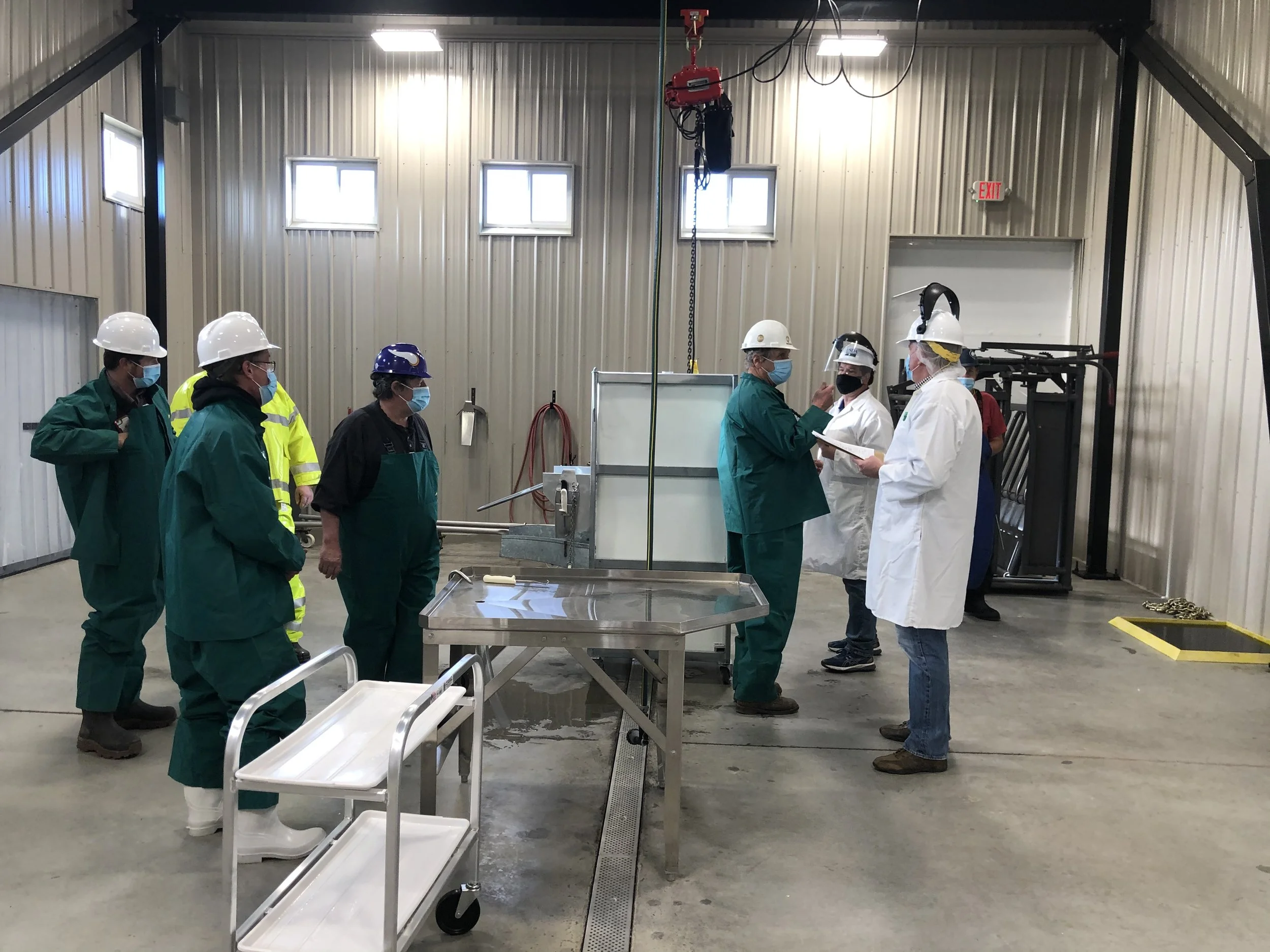
During that final stretch, the regional USDA overseers, Dr. Legg and Dr. Blair, conducted two courtesy walkthroughs ahead of the deadline. They inspected construction details, tested lighting requirements, and helped ensure WHMC would be prepared to pass the first inspection.
Then, by the narrowest margin possible, WHMC met its deadline.
Western Heritage Meat Company passed its first USDA inspection on December 30th, 2020.
Built by Ranchers, Strengthened by Partnership
WHMC was founded by humble ranchers who understood firsthand what was at stake for farm-to-table producers. Many ranchers scraped together what they could spare to help the plant get off the ground—not for prestige, but because they needed to secure processing to preserve their livelihoods and legacies.
But WHMC is also a story of partnership.
It exists because a wide network of people—ranchers, investors, industry experts, and a community determined to keep local food moving—came together to build something bigger than any one operation.
A Mission That Still Drives WHMC Today
Western Heritage Meat Company was built with a clear purpose:
To provide USDA-inspected meat processing that gives farmers and ranchers the ability to sell nationwide, set their own prices, and build sustainable farm-to-table businesses—while delivering quality meat to families who want food they can trust.
Today, WHMC remains deeply grateful for everyone who helped make the facility possible, and for every producer who chooses WHMC as their processing partner.
What started as a crisis in 2020 became a long-term solution for the region—and a commitment to strengthening the future of independent agriculture for years to come.